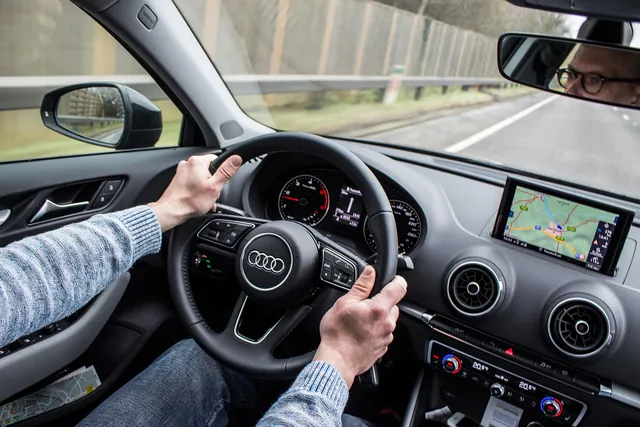
Before the viewing
Save the advert and ask for the registration, VIN, service history and the seller’s relationship to the vehicle. Review official records available in its country. Arrange enough time for a cold start, inspection and lawful test drive. If the seller refuses reasonable identity checks, resolve that before paying a deposit.
Body and exterior
Look across panels in daylight for inconsistent gaps, paint colour, overspray and disturbed fasteners. These can justify further investigation but do not independently prove structural damage. Check glass markings, lamps and the operation of doors and boot. Ask for repair invoices when repairs are disclosed.
Wheels and tyres
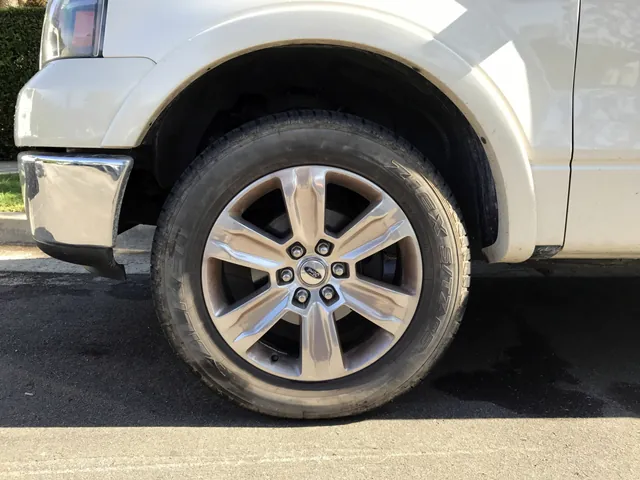
Check tyre age, visible damage, tread and whether sizes match the manufacturer’s specification. Uneven wear may relate to alignment, suspension, pressures or driving; an inspection should establish the cause. Inspect wheels for damage and look for a suitable spare or repair kit.
Interior, electronics and warning lights
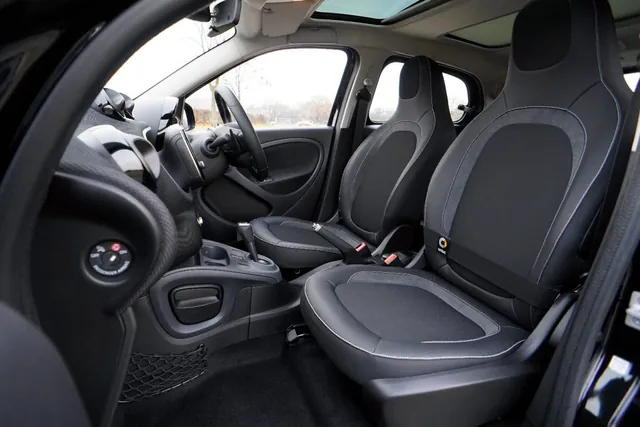
Confirm that warning lights illuminate as expected on start-up and resolve lights that remain on. Test the heater, air conditioning, windows, locks, infotainment and charging equipment where applicable. Compare wear with documented usage without treating upholstery condition as proof of mileage.
Engine, underbody and test drive
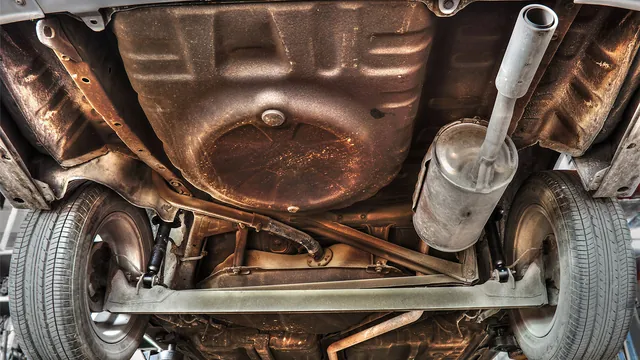
A competent inspector can check leaks, corrosion, structure, brakes and suspension safely on suitable equipment. On a test drive, listen for unusual noises and assess braking, steering and gear changes in safe conditions. For an EV or plug-in hybrid, obtain a relevant battery and charging assessment rather than relying only on the dashboard range.
VIN, mileage and records
Compare the VIN markings and documents. Arrange mileage entries chronologically and ask about gaps or inconsistencies. Use vehicle history services for additional evidence, while remembering that missing records do not establish a clear history.
Record the unresolved questions
- What work is due under the correct service schedule?
- Which repairs are supported by invoices?
- Are recalls or manufacturer campaigns outstanding?
- Does an independent inspection explain the warning signs?
- What documents and transfer checks are required locally?